 Preslav Rachev
Going with Go
·
Sep 19, 2026
·
2 min
TIL: go fix Reaches Into Third-Party Code Too
go fix can rewrite calls into your dependencies too, if the library author opts in with a //go:fix inline directive.
Writing is a big part of my life. This is a collection of the essays and long-form post I have throughout the years.
go fix can rewrite calls into your dependencies too, if the library author opts in with a //go:fix inline directive.
I have just released a new version of gomjml - v0.13.0. Among some small improvements to the parser, the big difference is that future use will require significantly less memory. Sometimes, up to 35-40% less!
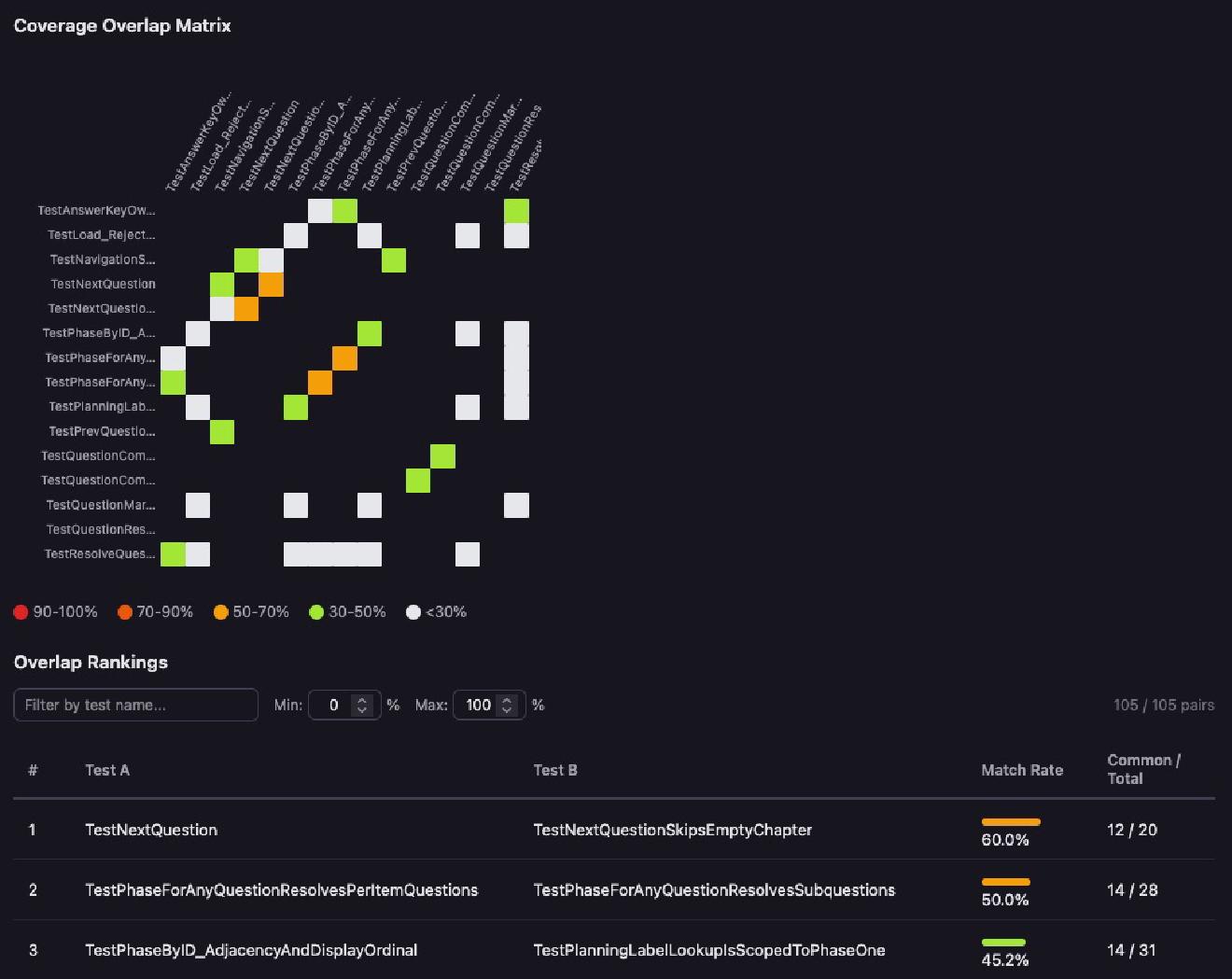
Tobari gives my AI coding agents deterministic evidence for finding and consolidating overlapping Go tests.

My thoughts on why Bear Notes is still worth paying for every year.

I installed the macOS 27 beta on a spare 2020 M1 Mac Mini and ran Geekbench before and after. Most scores improved, one dropped slightly.

Hosting a static site on Netlify while keeping its domain managed by Cloudflare, with the DNS records to make it work.
Don’t avoid writing something down just because you think it’s obvious. The thing you think is obvious now might recede into your subconscious in an hour; get it written down while you can! And don’t avoid writing something down because you think it’s dangerous to say and everyone already knows it. For people new to the area, reading your words can help them feel like they’re not losing their minds.

Stating the obvious is surprisingly useful. Most of your knowledge lives below the threshold of conscious awareness, so it’s possible for a piece of writing to remind you of what you already know. It’s common to know you don’t like something without being quite sure why, and reading an obvious…

Less than two weeks ago, I had the pleasure of being a guest on Cup O’ Go - one of my favorite Go podcasts, hosted by Shay Nehmad and Jonathan Hall.

Thou shalt handle errors with care: ten tips for wrapping, translating, and returning them without turning every failure into noise.
AI can’t tell you what to build. It will build whatever you describe, brilliantly, whether it’s a good idea or not. It’s the most agreeable colleague you’ve ever had — and that’s a problem. A good senior dev says “that’s a bad idea.” AI says “sure, here’s the code.”
A tech founder who hasn't written code in years built a production app with 25,000 stadiums and 1M+ matches — using only AI. No designers, no developers, no QA.

A love letter to films that still trust the viewer to think.
You don’t have to be an amateur, just because you use AI tooling.
You can use Claude Code, and be a great programmer.
You may not use Claude Code, and still remain a terrible programmer.
I knew people who never used code completion on principle. They didn’t get far.
Also knew people who used all kinds of tools, and didn’t get far, either.
It’s all relative.
Use whatever moves you forward.
The friction of building personal apps has always been so high that as users we accepted the ads, the trackers, the dark patterns, and the constant upsells.
The friction is just not there anymore. You can build a personal app that has the exact subset of features you want, that is clean, fast, and respects your privacy, in a matter of hours.
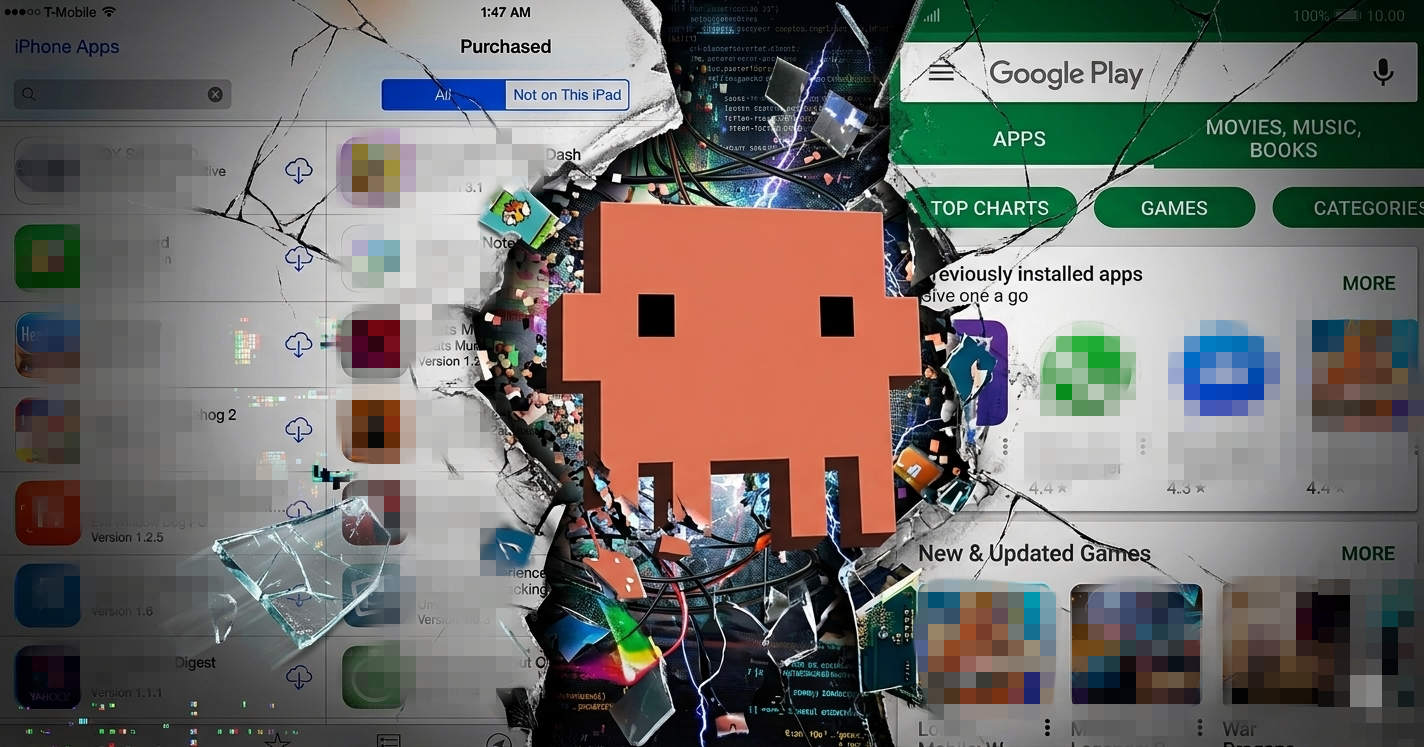
The app store model is broken, and it's only going to get worse with AI.
The [AI] models are already powerful enough to produce publishable results under competent supervision. That’s not the bottleneck. The bottleneck is the supervision. Stronger models won’t eliminate the need for a human who understands the physics; they’ll just broaden the range of problems that a supervised agent can tackle. The supervisor still needs to know what the answer should look like, still needs to know which checks to demand, still needs to have the instinct that something is off before they can articulate why. That instinct doesn’t come from a subscription. It comes from years of failing at exactly the kind of work that people keep calling grunt work. Making the models smarter doesn’t solve the problem. It makes the problem harder to see.
On AI agents, grunt work, and the part of science that isn't replaceable.
The way a smart assistant works is, it processes information ahead of you, trims it down, and presents you with a couple of options to decide on.
The way most people now use AI tools is the exact opposite. They’d gather all the information, throw it at the AI tool, and ask it to choose an option for them.
Who is, then, the assistant?
No results found.
Type to search...